
 Türkçe
 English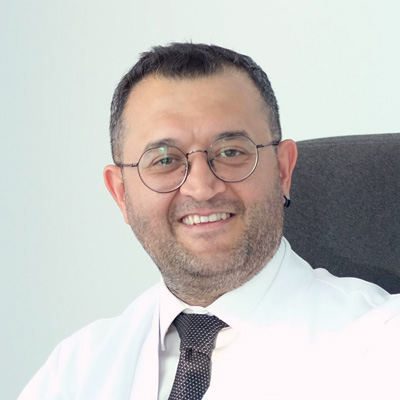
He is a urologist who prioritizes patient satisfaction and stands out with his reliable approach and successful treatments.
Microsurgical Varicocele Surgery Turkey
What Is Microsurgical Varicocele Surgery?
Microsurgical varicocele surgery is a surgical procedure used to treat varicocele by carefully identifying and ligating enlarged veins around the testicle using microscopic magnification and specialized microsurgical instruments.
According to international urology literature, this technique is considered one of the most effective surgical methods, particularly in patients with infertility and abnormal sperm parameters. The main advantage of the microsurgical approach is the selective ligation of problematic veins under magnification while preserving healthy blood vessels and lymphatic structures.
Why Does Varicocele Occur and Who Is Affected?
Varicocele occurs due to the enlargement of the pampiniform plexus, a network of veins responsible for carrying blood from the testicles back toward the heart. According to English urology literature, the primary mechanism behind varicocele formation is the malfunction of the valves within these veins. Normally, these valves prevent backward blood flow; however, when valve failure occurs, blood accumulates downward, causing the veins to enlarge and form a varicocele.
One of the most important anatomical factors is that the left testicular vein follows a longer pathway compared with the right side and drains into the left renal vein at a right angle. This anatomical structure increases pressure on the left side and explains why varicocele occurs on the left side in approximately 80–90% of cases. English clinical studies recognize this anatomical difference as one of the strongest predisposing factors for varicocele development.
Varicocele usually begins during adolescence and may gradually progress over time. This is related to increased blood flow to the testicles and increased vascular demand during puberty. Therefore, varicocele is often detected incidentally in young men or discovered during infertility evaluations.
Varicocele is more commonly seen in the following groups:
- Adolescent and young adult males
- A significant proportion of men evaluated for infertility
- Individuals who work standing for long periods or perform heavy physical labor
- Individuals with a family history of varicocele (possible genetic predisposition)
Clinical studies indicate that varicocele affects approximately 10–15% of the general male population, while this rate may increase to 35–40% among infertile men. Therefore, international guidelines describe varicocele as one of the most common “treatable” causes of male infertility.
Is the Microsurgical Method Different from Other Varicocele Surgeries?
Yes. Among open surgery, laparoscopic surgery, and microsurgical techniques, microsurgery has been associated with the lowest recurrence rates and the lowest complication rates. In particular, the risks of hydrocele formation (fluid accumulation around the testicle) and testicular artery injury are significantly lower with microsurgical techniques. For this reason, many international guidelines define microsurgery as the “gold standard” treatment method.
How Is Microsurgical Varicocele Surgery Performed?
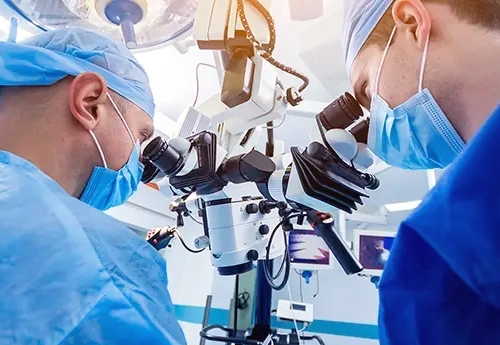
Microsurgical varicocele surgery is usually performed through a small incision in the groin area using an operating microscope during the procedure. According to urological surgical techniques published in English literature, this approach is known as the “subinguinal approach” and allows the surgeon to access the testicular vessels with maximum precision.
During surgery, the surgeon identifies enlarged veins individually under magnification and ligates them to prevent backward blood flow. At the same time, the testicular artery, which supplies blood to the testicle, and the lymphatic vessels are carefully preserved. This selective approach is the most important feature distinguishing microsurgery from other techniques and significantly reduces the risk of complications.
The general steps of the procedure are as follows:
- A small incision is made in the groin area
- The spermatic cord is exposed under microscopic magnification
- Dilated veins are identified individually
- The veins are ligated and divided
- The artery and lymphatic vessels are preserved
- The incision is closed cosmetically
The procedure is usually performed under general or spinal anesthesia, and most patients are discharged on the same day. English clinical studies emphasize that microsurgical varicocele repair is considered the “gold standard” due to its low recurrence rate and high success rate.
All treatments, interventional procedures, and surgical operations featured on our website are personally performed by Op. Dr. Emrah Topbaş, who has extensive experience and expertise in the field. Each patient's treatment process is individually planned, with the aim of achieving safe and effective results in accordance with the latest medical approaches and ethical principles. Every stage, from diagnosis to surgery and postoperative care, is carefully evaluated through a personalized treatment approach.
Recovery Process After Microsurgical Varicocele Surgery
The recovery process after microsurgical varicocele surgery is generally rapid. Most patients can return to their daily activities within 2–3 days. English clinical studies report that complete physical recovery usually occurs within 2–4 weeks. However, physician recommendations should be followed before returning to heavy exercise and sexual activity.
How Long Do Pain and Swelling Last After Microsurgical Varicocele Surgery?
Mild pain and a feeling of fullness in the groin area are considered normal after microsurgical varicocele surgery. Most studies report that these symptoms significantly decrease within 3–7 days. Swelling is usually minimal, and one of the most important advantages of the microsurgical technique is reduced tissue trauma.
What Is the Success Rate of Microsurgical Varicocele Surgery?
The success rate of microsurgical varicocele surgery is reported to be between 85–95% in the medical literature. Success is evaluated based on pain relief, improvement in sperm parameters, and increased pregnancy rates in infertility treatment. A particularly important advantage is the low recurrence rate (less than 5%).
Does Sperm Quality Improve After Microsurgical Varicocele Surgery?
Yes. According to randomized controlled studies, significant improvements in sperm count, motility, and morphology may be observed within 3–6 months after surgery. English medical publications report increased rates of natural pregnancy, especially among infertile men following varicocele repair.
Risks and Complications of Microsurgical Varicocele Surgery
Although the microsurgical technique has a low complication rate, certain risks may occur. These include recurrent varicocele, hematoma, infection, and, rarely, injury to testicular blood vessels. However, medical literature emphasizes that microsurgical repair significantly reduces complication rates compared with other surgical techniques.
Varicocele Surgery Costs 2026
Microsurgical varicocele surgery costs vary depending on the hospital, surgeon's experience, and the technology used. Since microsurgical techniques require advanced equipment and specialized expertise, they are generally more expensive than conventional methods. However, due to higher long-term success rates and lower recurrence rates, microsurgery is considered a cost-effective treatment option.
Reviews from Patients Who Have Undergone Varicocele Surgery
Patient reviews following varicocele surgery generally focus on three main areas: pain symptoms, sperm parameters, and overall quality of life. According to patient feedback and clinical survey studies, satisfaction rates are particularly high after microsurgical varicocele repair.
Many patients report a significant reduction in groin discomfort and pain after surgery. Improvement in testicular pain that increases with prolonged standing is one of the most commonly reported positive outcomes.
For patients undergoing surgery due to infertility, reviews often focus on improvements in sperm analysis results and achieving pregnancy. English clinical studies report that a high proportion of patients experience improvements in sperm count and motility within 3–6 months after surgery.
Overall, patient feedback can be summarized as follows:
- Significant reduction in pain and improved daily comfort
- Relief and improved comfort in the testicular area
- Expectation and/or achievement of improved sperm quality
- Faster-than-expected recovery process, especially with microsurgical techniques
- Increased confidence due to the low recurrence rate
Although some patients may experience mild swelling or tenderness during the early recovery period, these symptoms are generally temporary. English medical literature identifies microsurgical repair as the varicocele treatment method associated with the highest patient satisfaction rates.
Things to Consider After Microsurgical Varicocele Surgery
The recovery period after microsurgical varicocele surgery is generally comfortable and rapid; however, certain precautions should be followed to achieve optimal results. English urology guidelines and clinical studies indicate that proper postoperative care during the early recovery period reduces the risk of complications and accelerates healing.
Patients are advised to rest during the first few days, avoid sudden movements, and limit activities that place stress on the groin area. Heavy lifting, intense exercise, and prolonged standing may increase pressure in the surgical area and contribute to pain and swelling. Therefore, these activities should generally be avoided during the first 1–2 weeks.
Maintaining proper hygiene of the surgical area is also important. Although the surgical incision is small, keeping the area clean and dry helps prevent infection. Dressings should be changed according to the physician’s recommendations. While showering is usually allowed after a few days, direct water contact with the incision area should be avoided during the early postoperative period.
The main points to consider after surgery include:
- Resting as much as possible during the first 48 hours
- Avoiding heavy lifting and exercise for 1–2 weeks
- Using supportive underwear (scrotal support)
- Taking prescribed pain medication and other medications regularly
- Keeping the surgical area clean and dry
- Avoiding sudden movements and strenuous activities
Mild pain and slight swelling are generally considered normal and usually decrease within a few days. However, increasing pain, significant swelling, redness, or fever may indicate infection and should be evaluated by a physician without delay.
It is generally recommended to wait 7–10 days before sexual activity and ejaculation. For more intense physical activities and sports, most patients can safely return after 2–4 weeks. However, it should be remembered that improvement in sperm quality is a biological process and typically becomes noticeable after approximately 3 months.
In conclusion, simple but careful postoperative care after microsurgical varicocele surgery improves surgical success and helps patients return to their daily lives more quickly and comfortably.
Is Varicocele Surgery Better with Microsurgery or Conventional Methods?
According to scientific comparisons, microsurgical varicocele repair is considered the preferred method due to its lower complication rates and higher success rates. It is especially regarded as the gold standard technique in the treatment of male infertility.
How Many Days Does It Take to Recover After Microsurgical Varicocele Surgery?
After microsurgical varicocele surgery, patients can usually return to their daily activities within 2–3 days. Complete recovery and return to heavy physical activities generally take approximately 2–4 weeks. However, biological improvements such as increased sperm quality may continue for up to 3 months.
How Long Does Microsurgical Varicocele Surgery Take?
Microsurgical varicocele surgery generally takes approximately 1–2 hours. The duration may vary depending on the patient's anatomy and the severity of the varicocele.
How Many Days After Varicocele Surgery Can Ejaculation Occur?
According to most clinical recommendations, sexual activity and ejaculation are generally allowed after 10–14 days. However, this period may vary depending on the surgeon’s evaluation and the individual healing process.
How Many Days Does Varicocele Surgery Take to Heal?
Clinical data show that superficial healing after microsurgical varicocele surgery usually occurs within one week, while complete functional recovery is achieved within approximately 2–4 weeks. However, improvement in sperm parameters may take several months.
Sexual Activity After Microsurgical Varicocele Surgery
Sexual intercourse can generally be resumed 10–14 days after microsurgical varicocele surgery. According to English urology guidelines, strenuous activities should be avoided during the early recovery period; however, positive long-term effects on sexual quality of life are expected. In particular, reduced pain and improved testicular comfort may contribute positively to sexual well-being.
Update Date: 10.04.2026
*This content has been prepared in accordance with the provisions of the "Regulation on Promotion and Information Activities in Health Services" published in the Official Gazette dated 12.11.2025. The information contained in this content is for general informational purposes only and does not constitute guidance or treatment recommendations. The results of all medical procedures, including surgical and interventional procedures, may vary from person to person. For diagnostic and treatment procedures, it is essential to consult a physician and undergo an individual medical evaluation.

Patient Comments

Urology Specialist Ankara, Turkey
 About MeOp. Dr. Emrah Topbaş
Urology Specialist Surgeon Dr. Emrah Topbaş is specialized in prostate, andrology, and pelvic floor treatments. He provides modern diagnostic and treatment services in Ankara.
Read More All TreatmentsSpecialist Doctor Assurance
All treatments, interventional procedures, and surgeries are personally performed by Op. Dr. Emrah Topbaş. Each case is carefully planned in line with current medical practices and ethical principles.
Read More In the PressVisual and Written Media
He closely follows current developments in the field of urology and frequently appears in the media, contributing to interviews and informative content aimed at raising public awareness.
Read More
 About Me
 Contact
 Whatsapp